AP.265 Selecting Sources for Synthesis
0%
Skill Level🔴 Hard
00:00
Progress to Next Level25% to Medium
EasyMediumHardMastery100%
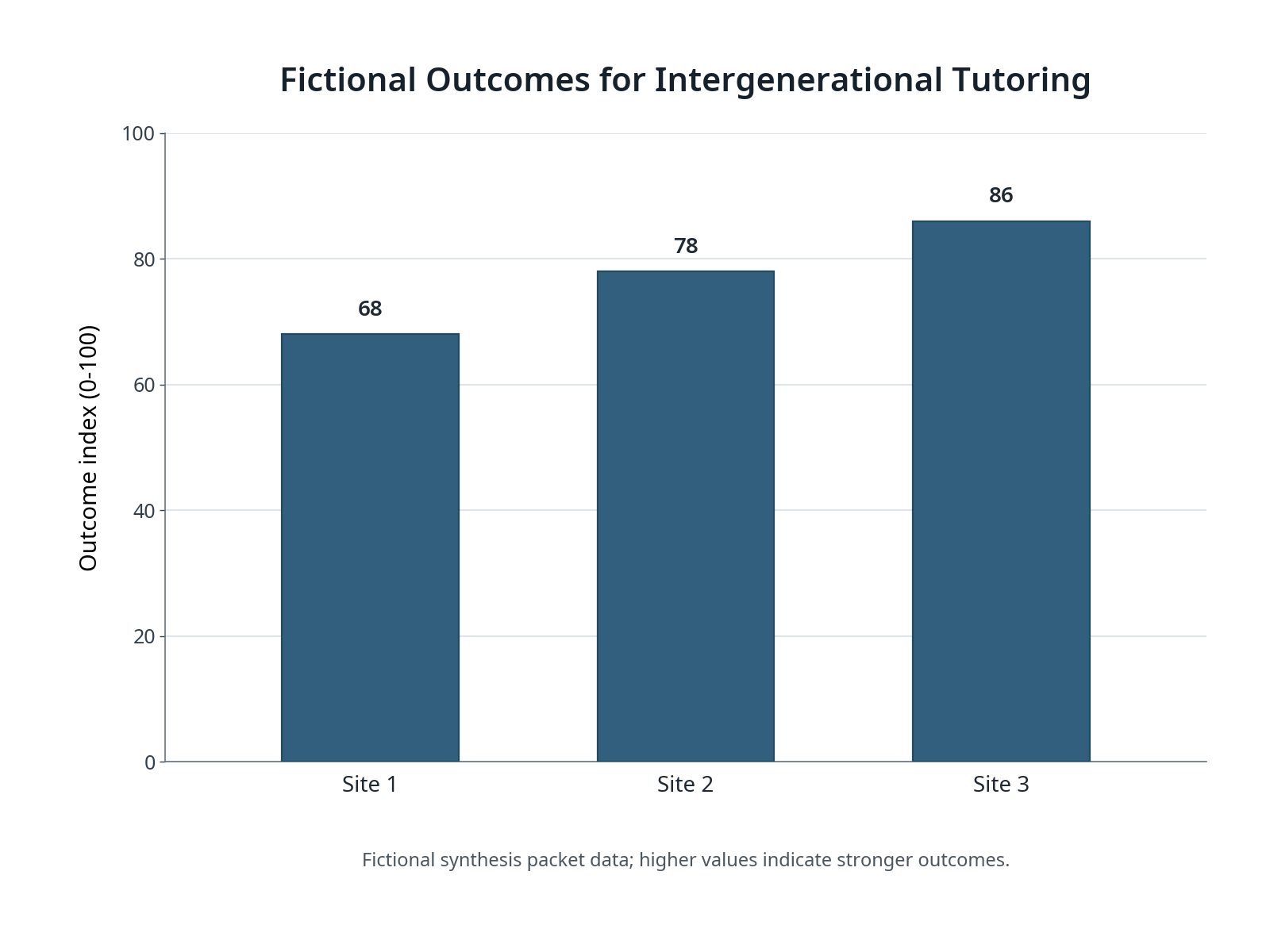
A student is preparing for an AP English Language synthesis essay about intergenerational tutoring. The following source summaries are fictional and created for practice. Thesis: Rather than reject the idea because good intentions do not guarantee effective instruction, schools should partner with older adult volunteers for intergenerational tutoring in a carefully designed way that can build academic support and community connection at once. Source A: A brief social media post describes one person's strong reaction to intergenerational tutoring but includes no verifiable evidence, methods, or broader context. Source B: A commentary by a community education coordinator explains the reasoning that links the policy to its intended effect and emphasizes why the thesis's condition matters: volunteers receive training, background checks, and curriculum guidance. Source C: A historical overview of earlier efforts to partner with older adult volunteers for intergenerational tutoring explains how past programs struggled when good intentions do not guarantee effective instruction, adding context for the thesis's conditions. Source D: A balanced commentary from students and older volunteers highlights the risk that good intentions do not guarantee effective instruction and argues that safeguards described in the thesis are necessary: volunteers receive training, background checks, and curriculum guidance. It gives the essay a credible counterclaim to address. Source E: A data graphic titled 'Fictional Outcomes for Intergenerational Tutoring' compares attendance, reading growth, and volunteer training completion in three fictional sites: Site 1 = 68, Site 2 = 78, and Site 3 = 86 on a 0-100 outcome index. A note says results are strongest where volunteers receive training, background checks, and curriculum guidance. Source F: A narrative case study follows a library tutoring program pairing retirees with ninth-grade readers through planning, early obstacles, and revisions, with attention to the experiences of students and older volunteers. Which combination would best strengthen the writer's line of reasoning while avoiding redundant or tangential evidence?